Pastor Nancy Goede is on sabbatical this summer, returning to Augustana following Labor Day on Sunday September 10th.
I’m spending the summer in a living museum. At Jamestown Rediscovery, on the James River estuary of Chesapeake Bay in Virginia, archaeologists, anthropologists and historians are visibly at work on this site of the first successful English foothold in the race to colonize North America. The first ships arrived in 1607.
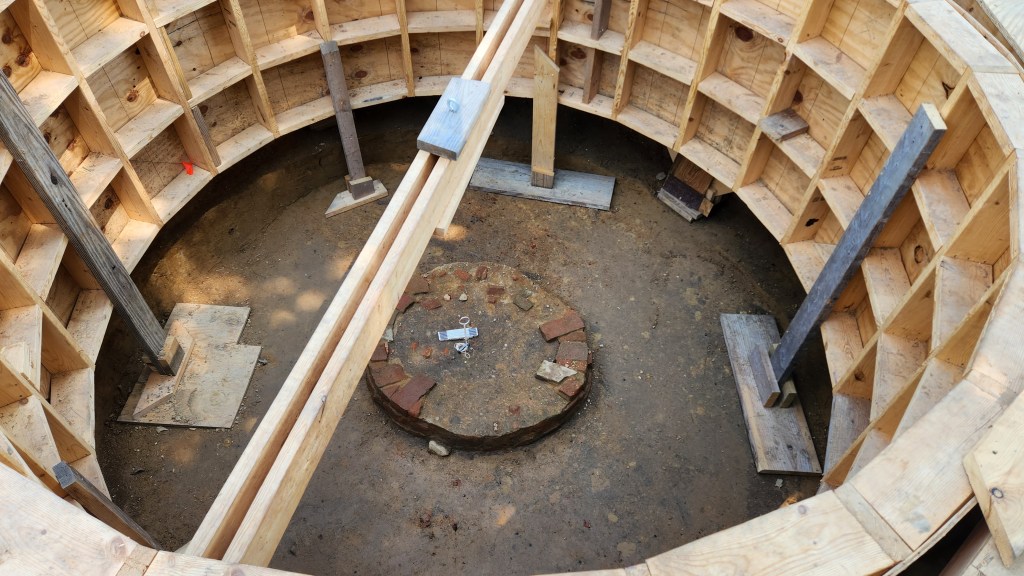
While these scholars are at work in the field, I’m often at work near them, interpreting sites for visitors. This well is a favorite, because it’s about to be opened in a couple of weeks (live-streaming via the website, if you’d like to watch). When salt began to seep into a well and it was abandoned, it became the next landfill for the colonists. The archaeologists expect they will find lots of treasure among the trash in the low-oxygen environment.
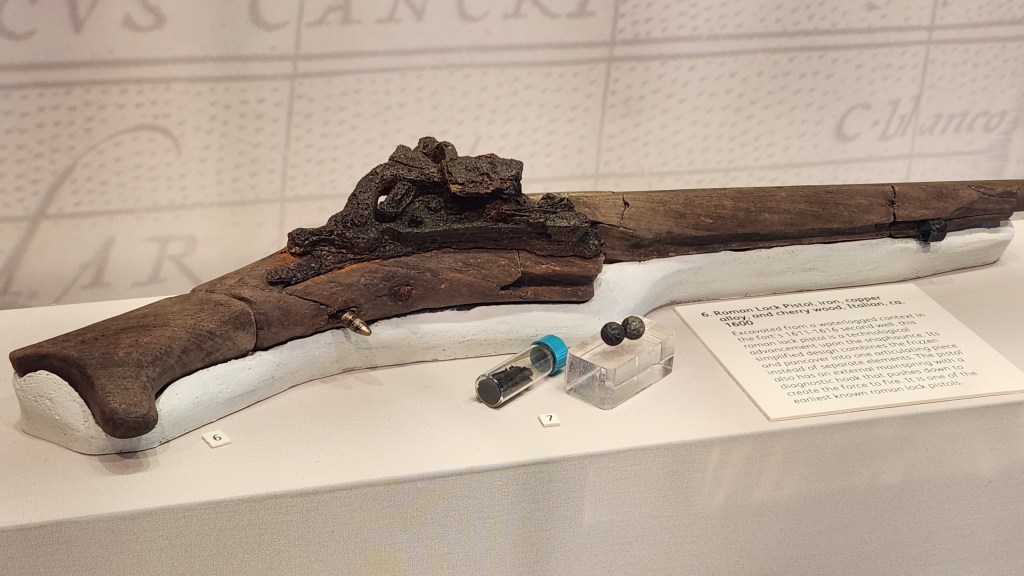
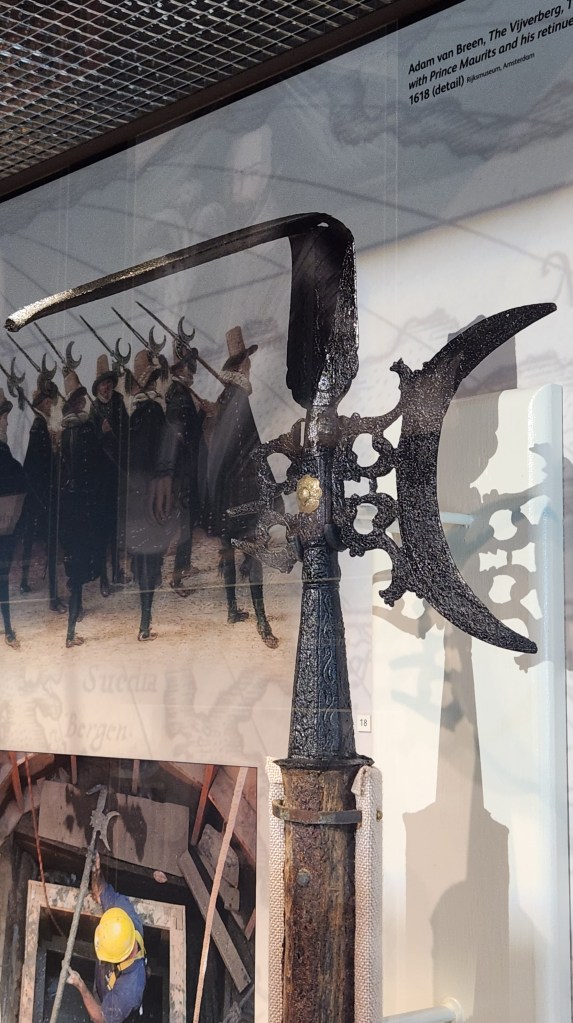
They also hope to find some “oops” items, like this wooden gun, one of my favorite displays in the Archaearium museum. Spanish in origin, it was a firearm someone likely picked up on a battlefield and somehow dropped, fully loaded, into a well. This halberd was found next to it, its wooden staff preserved in the low-oxygen water. It took some doing to bend the point; the staff speculate that someone tried to use it to hook the gun, but then dropped the halberd as well. Someone had a very bad day, or perhaps drunken night, when this happened.
When I’m in the Archaearium, I like to tell the story of this young man, Richard Mutton. Part of my mission in the museum is to engage children and teens who are not very interested in history, or engage the parents of kids who love learning about history and help them share their child’s interest. Most everyone is interested in Richard Mutton.
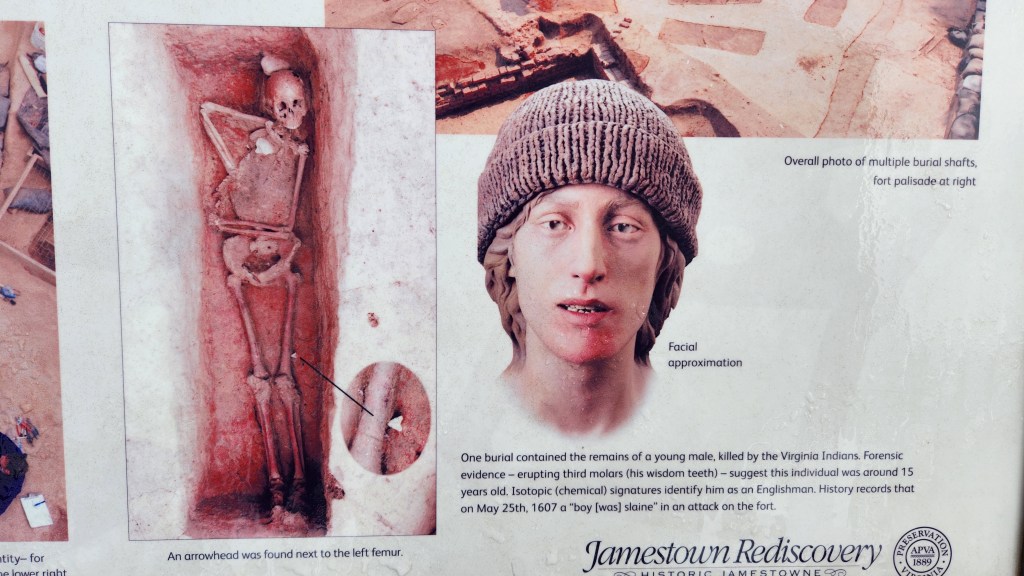
He was a homeless kid from Fleetside in London when he joined the crew on the first voyage. He didn’t have much going for him but his size. At thirteen, he was already five-foot-eight, which meant he could do a man’s work, but the adult crew could pay him less and boss him more.
When his grave was excavated, it was apparent that it had been dug in a hurry. It was too short for him, and very shallow and rounded. Next to his leg was an arrowhead. Just thirteen days after the colonists landed, a large band of Virginia Indians had attacked. The crew immediately began to build a fort palisade, while some attended to the wounded and others kept the Indians at bay. And one or two dug a hasty grave for the victim.
Several of the shaken colonists wrote about the incident, and mentioned that a boy was killed. Because there were only four teenagers on the voyage, historians were able to find three of the four in later records and establish Richard Mutton’s identity. He started out as the least among the crew. He was young, homeless, penniless, one of the few on the first voyage who had little to lose as he searched for a better life. Now he is one of the best-documented and best-remembered ordinary colonist at Jamestown.
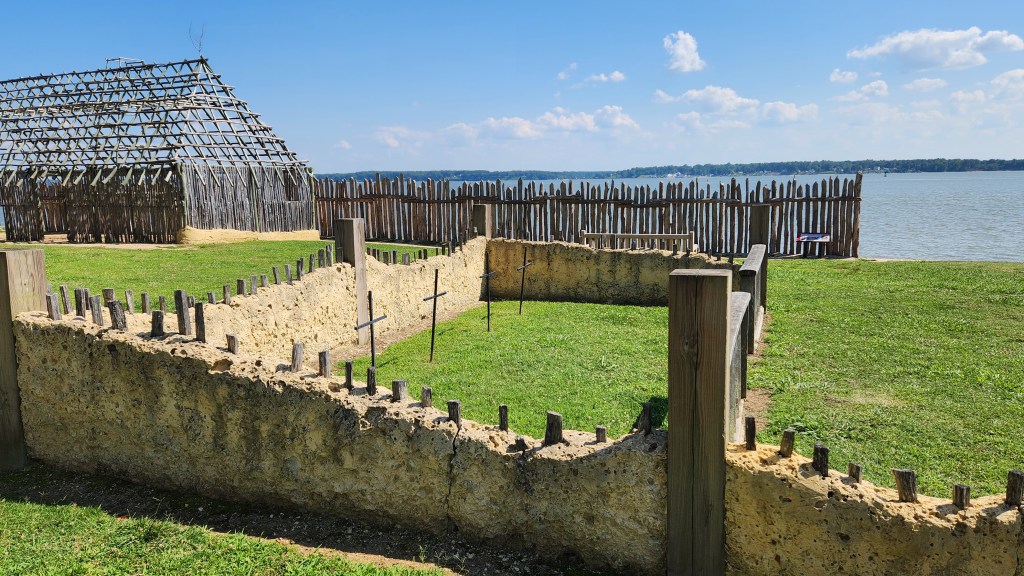
I spend some time most days talking with visitors about the first Protestant church in North America. It was an outpost of the Church of England, and just like at home, the men paid church taxes and could be fined or punished for skipping worship on Sundays. The Virginia Company, the corporation that ran the colony, didn’t allow Catholics or any other religious dissenters in Jamestown, so it was the one church even much later, when the population grew. Many little girls who visit are excited about Pocahontas, and in the church, I can show them one place connected to her that is not at all Disneyfied: the place in front of the chancel rail where she stood when she married John Rolfe in 1614.
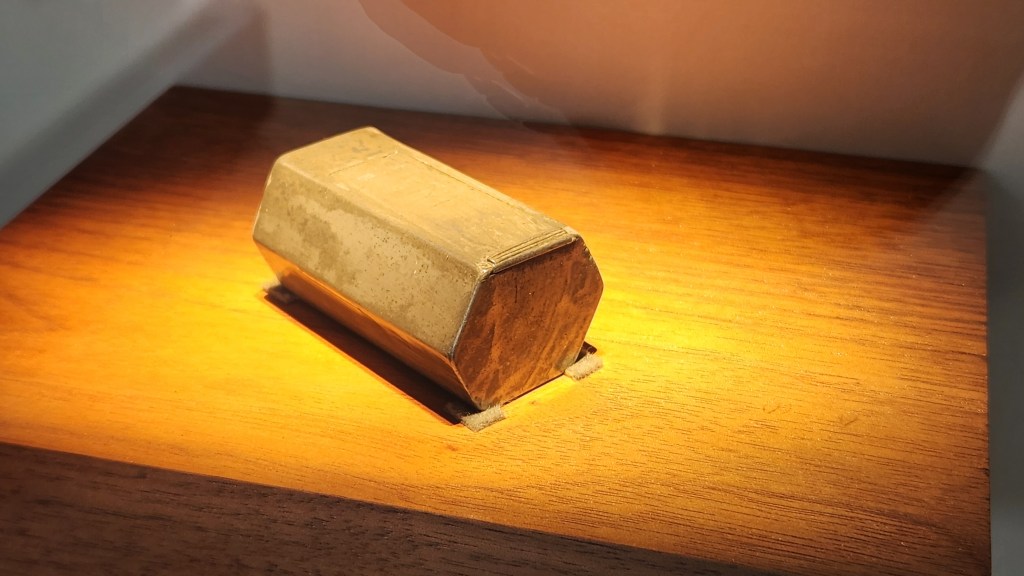
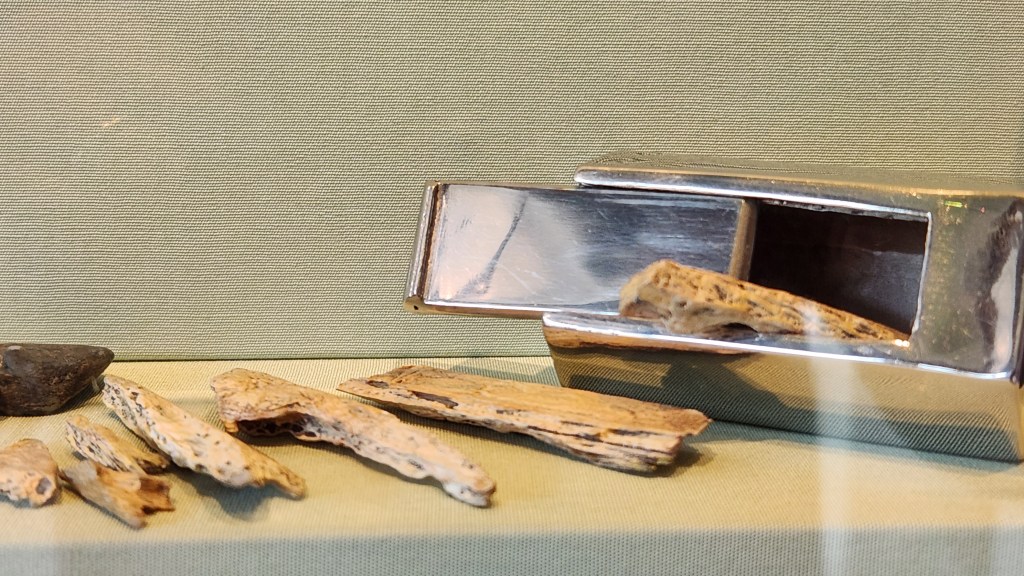
Four of the original leaders of the colony, including the first minister, Rev. Robert Hunt, are buried in that chancel. When their graves were excavated, the archaeologists found that one, Gabriel Archer, had been buried with this little silver box on top of his coffin. It had a small opening with a cover that was made to slide, but it was stuck and couldn’t be opened without damaging the box. This amazing scan showed it contained human bone tissue; it was a reliquary, a container for the bones of a saint, an object that only a Catholic would have. Someone knew that Captain Archer would want that on his coffin, and everyone could see it as dirt was shoveled on his grave. It was a major find, because it cast doubt on the Virginia Company’s PR that Jamestown was Catholic-free.

I’ll be back in worship the first Sunday we return to two services. I’ve had a wonderful summer, and I’m looking forward to sharing more with you when I return.
 Augustana Lutheran Church of Hyde Park
You must be logged in to post a comment.